I’ve been openly bisexual since I was 26. (That’s 32 years as of this post.) You shouldn’t feel bad if that surprises you. I’m a man and I’ve been married to a woman for more than a quarter century. Most people assume we’re both straight. September is Bi Visibility month, and despite being “out” for three decades, I don’t feel very visible.
I told Kristin (my wife) I was bisexual on one of our earliest dates. I told each of our kids as soon as they started hearing about classmates who weren’t straight. I share my orientation with friends, coworkers, and people at church when it feels necessary. I march in our local Pride parade and attend fundraisers like Equality New Mexico’s drag brunch.
So why don’t people know I’m bi? Sexual orientation isn’t something we talk about directly—we rely on cues like fashion, speech or movement patterns, or who someone introduces as a partner. I’d happily signal my bisexuality through fashion, but there’s no recognizable “bisexual look.” Androgynous or nonbinary styles don’t fit, since I identify strongly as a man. A stereotypically gay look (there are many!) would miss that I’m also into women.
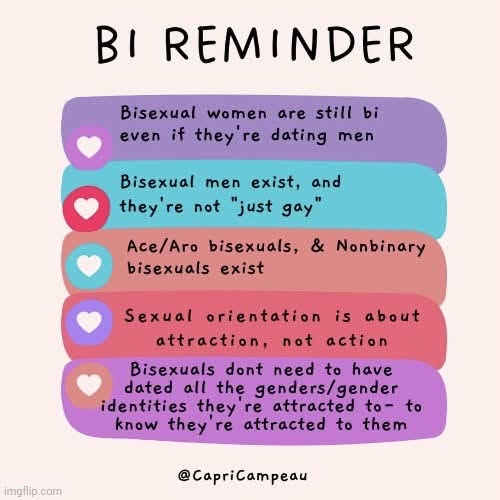
Part of the problem is that our culture—straight and queer alike—isn’t convinced bisexuality is even real. When I first came out, I told people I was gay. I thought that was the only alternative to being straight. Many people, of all orientations, hold the belief that you’re either straight, or you’re gay, or you’re in denial, with bisexuality just a layover on the way to “actually” coming out. When I started dating Kristin, gay friends accused me of retreating into the closet; straight friends, even close family members, called my “gayness” a phase. (A phase they claimed was over. I mean, thank God, right!?) This is “bi erasure:” denying that bisexuality exists, and assuming a person’s orientation is defined only by their current relationship, or that any attraction to the same sex means you’re gay, period.
Bisexual people also face “bi-skepticism” from both straight and queer communities: assuming a bi man married to a woman must be either in denial or cheating; accusing bi people of collaborating with “the other side”; a lesbian refusing to date a bisexual woman on the assumption she’ll inevitably cheat with a man.
Bisexual people have higher rates of mental health struggles than straight or gay people, and both erasure and skepticism contribute.
I’m about as straight as a Cristiano Ronaldo knuckleball, but people see me as straight because I’m not wearing a rainbow t-shirt or dating a man. It stings when a straight man figures his homophobic jokes won’t offend me. It hurts when a queer person accuses me of “passing” for straight privilege, or when a fellow Pride marcher thanks me “for being an ally.” (Translated: “I can see you’re not one of us, but thanks for your support.”)
When you meet someone, don’t assume you know who they might be attracted to based on how they look, dress, or who they’re with. There are more possibilities than you’d guess. When someone tells you they’re bi, believe them. If you’re unsure what it means, ask. Just never assume you know someone better than they know themselves.